Roofing 101 for first-time owners
Everything you actually need to know about your roof — how it works, what it's made of, how long it lasts, and what to do when something goes wrong.
 By the Roofing Guide editors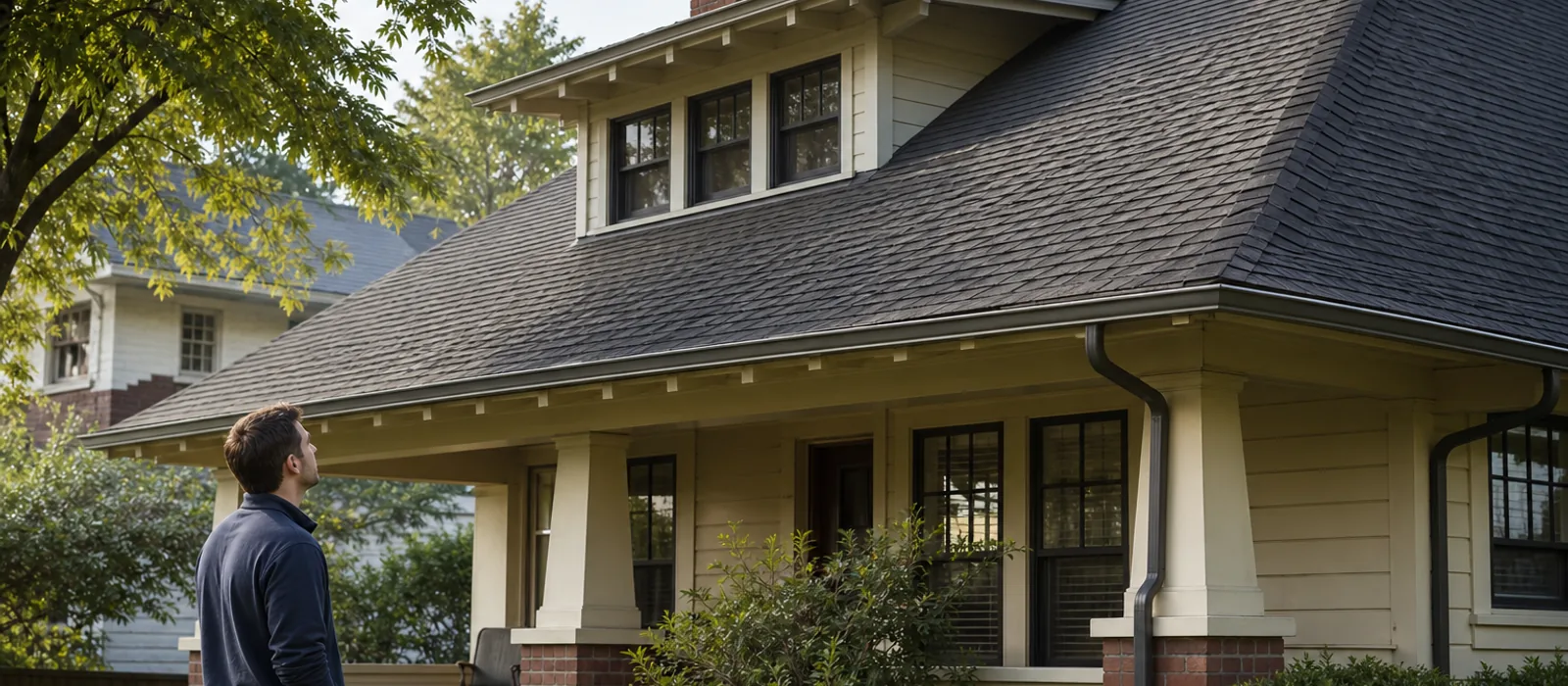
When you buy a home, nobody hands you a manual for the roof. It's up there, it keeps the rain out, and you mostly ignore it until something goes wrong. Then it's suddenly the most expensive and confusing thing on your property.
This guide is the overview you should have gotten at closing. It won't make you a roofer — but it will make you a homeowner who knows what's above their head, what questions to ask, and when to act.
How a roof actually works
A residential roof is a layered system, not a single material. From the top down, a typical asphalt-shingle roof consists of:
- Shingles (or metal panels): The outermost layer. They shed rain, block UV, and give the roof its appearance. They take all the weather abuse.
- Underlayment: A felt or synthetic membrane between the shingles and the decking. Acts as a secondary moisture barrier — if a shingle fails, the underlayment buys you time.
- Ice-and-water shield: A self-adhering membrane applied at vulnerable spots — the eaves, valleys, and around penetrations — to prevent water backup from ice dams and wind-driven rain.
- Decking (sheathing): Usually plywood or OSB panels nailed to the rafters. This is the structural base everything else attaches to. Rotted decking is expensive to replace.
- Rafters and trusses: The structural framing of the roof. These rarely fail unless there's been severe water intrusion or physical damage.
- Flashing: Metal strips (usually aluminum or galvanized steel) sealing the joints where the roof meets vertical surfaces — chimneys, skylights, walls, and valleys. Flashing failures are the most common source of leaks.
How long should a roof last?
Lifespan depends almost entirely on the material and your climate:
- 3-tab asphalt shingles: 15–20 years. The entry-level option; rarely installed on new construction today.
- Architectural (dimensional) asphalt: 25–30 years. The current standard for residential construction.
- Impact-resistant asphalt: 30–40 years. Worth the premium if you're in a hail-prone region.
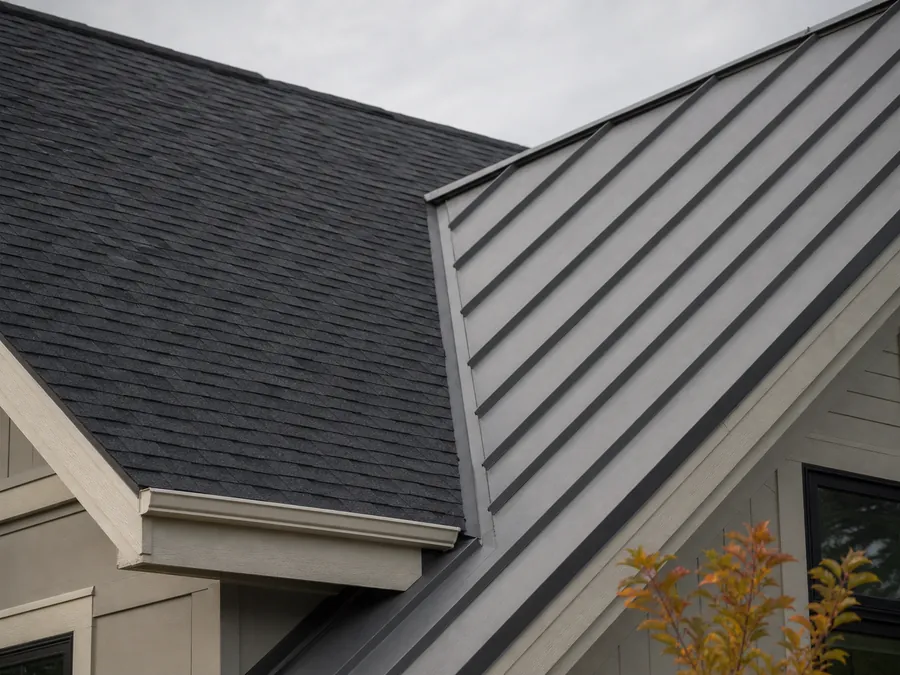
- Metal (steel, aluminum): 40–70 years. The best long-term value in most climates.
- Slate and clay tile: 75–100+ years. Extremely durable but heavy — the structure must support the weight.
These are averages for well-installed, properly ventilated roofs. Poor attic ventilation, inadequate maintenance, and storm damage can cut any roof's life significantly short.
"The roof you inherit when you buy a home is probably older than the seller disclosed. Budget for it."
What you should inspect every year
You don't need to get on the roof to do an annual check. From the ground with binoculars, and from the attic with a flashlight, you can catch most problems early:
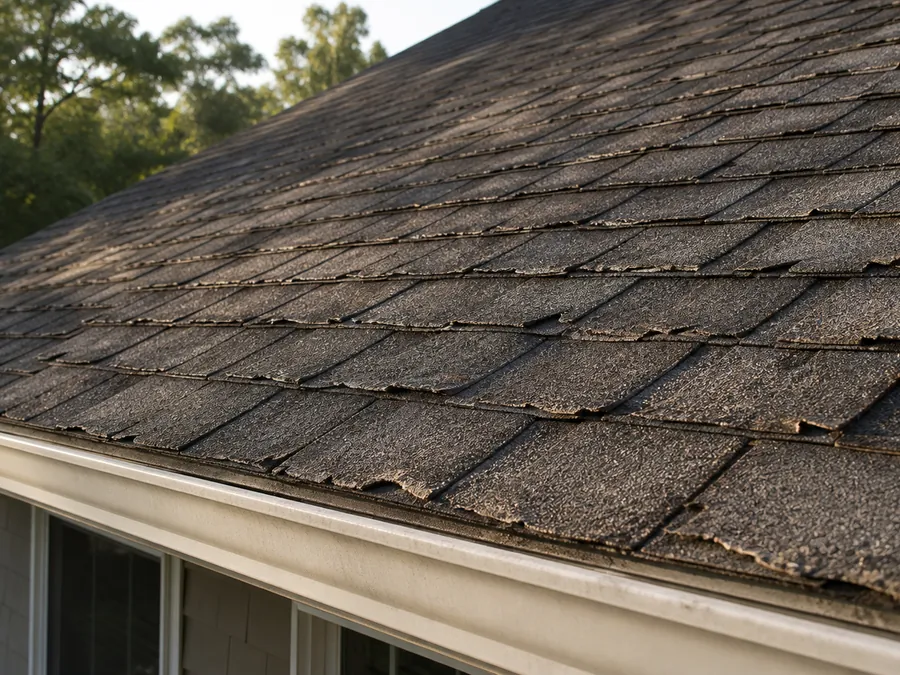
- Missing, curled, or cracked shingles — any visible departure from a uniform surface
- Granules in gutters — dark gritty material is the shingles shedding their protective coating
- Daylight in the attic — any pinhole of light through the sheathing is a breach
- Stains on attic rafters — dark streaks or tide marks indicate water has entered, even if it's dried
- Sagging roofline — any visible dip or wave in what should be a straight ridgeline
- Flashing gaps — metal pulled away from the chimney or skylight, even slightly
Repair vs. replace — the basic framework
Not every roofing problem requires a full replacement. As a general rule:
- Repair if the roof is under 15 years old, the damage is isolated (a few shingles, a flashing joint), and the rest of the roof is in good shape.
- Replace if the roof is over 20 years old, damage is widespread, you've had multiple repairs in recent years, or repair cost exceeds roughly a third of replacement cost.
A contractor who only recommends replacement on a 12-year-old roof with isolated damage is worth getting a second opinion on. A contractor who only recommends repairs on a 28-year-old roof is also worth questioning.
What to do right now
If you don't know how old your roof is, find out. Check the seller's disclosure from your purchase, pull the permit history from your local building department, or have a roofer inspect and estimate its age. This single piece of information tells you how urgently you need to be thinking about replacement.
From there, the rest of the guides on this site can take you deeper — into materials, costs, regional considerations, and how to hire someone you can trust.
A regional resource covering roofing contractors, costs, and storm-damage guidance across Alexandria, Arlington, Fairfax, Falls Church, and Springfield, VA.
Visit Northern Virginia Roofers