Asphalt vs. metal: choosing the right roof material
Both are proven, widely available, and installed on millions of homes — but they suit different budgets, climates, and long-term goals. Here's how to think through the decision.
 By the Roofing Guide editors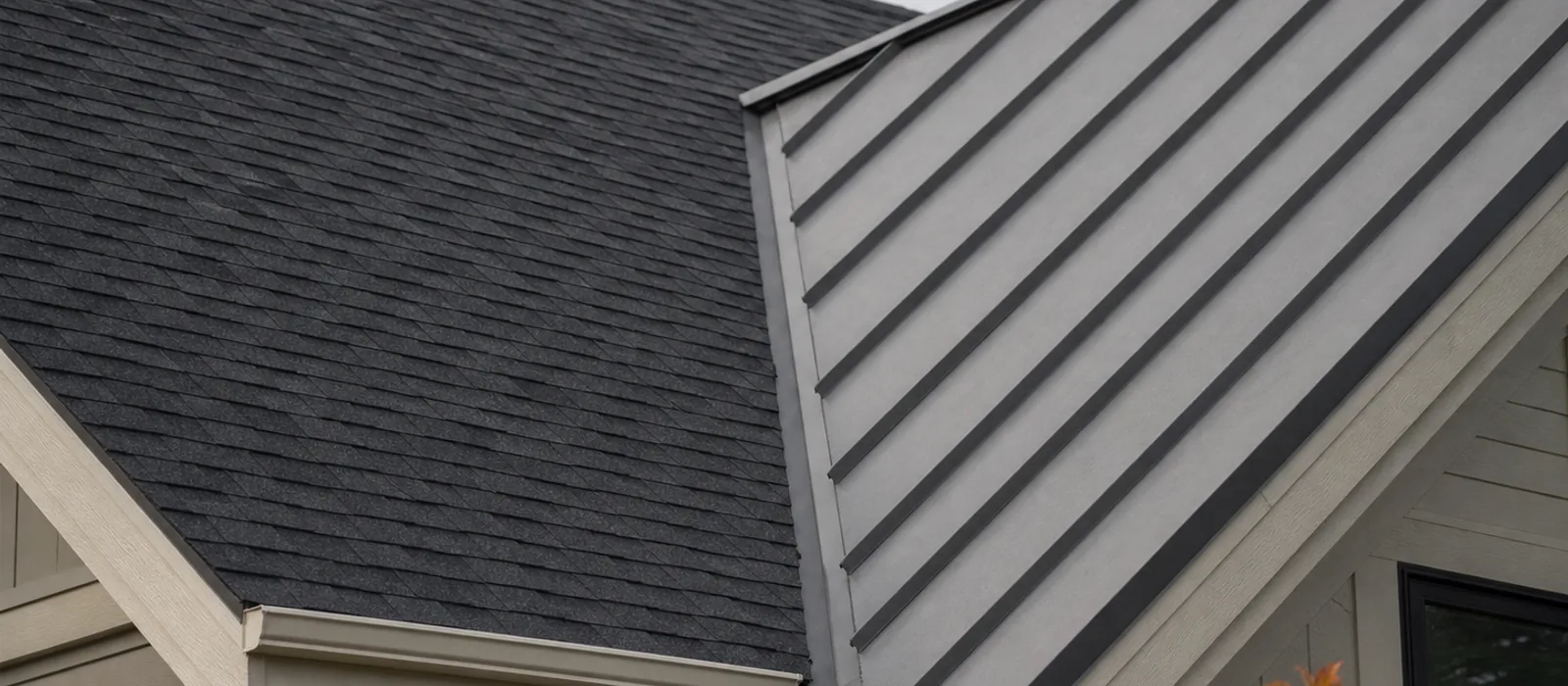
For most of the 20th century, asphalt shingles were the default answer. They're still the most installed residential roofing material in North America — but metal has closed the gap fast, and today a homeowner who doesn't seriously compare both is leaving real value on the table.
Neither material is universally better. The right answer depends on your budget, how long you plan to stay in the home, your climate, and how much maintenance you're willing to do. Let's break each factor down.
1. Upfront cost vs. lifetime cost
A standard architectural asphalt shingle roof runs roughly $4–$8 per square foot installed, making it significantly cheaper to put on than metal, which typically falls in the $8–$16 per square foot range depending on the metal type (steel, aluminum, copper, standing seam vs. exposed fastener). For a 2,000-square-foot ranch home, that gap can be $15,000 or more.
But cost-per-year tells a different story. Asphalt roofs last 20–30 years. Metal roofs routinely reach 40–70 years with minimal maintenance. If you plan to stay in the home, or the home is likely to stay in the family, metal's higher upfront cost often pencils out over time.
2. Durability and weather resistance
Metal wins this category outright for most weather threats. A properly installed standing-seam metal roof can handle wind speeds exceeding 140 mph, sheds snow and ice far more effectively than shingles, and carries a Class A fire rating. Hail is more nuanced — large hail can dent some thinner metal panels, though it rarely compromises waterproofing the way it does asphalt granules.
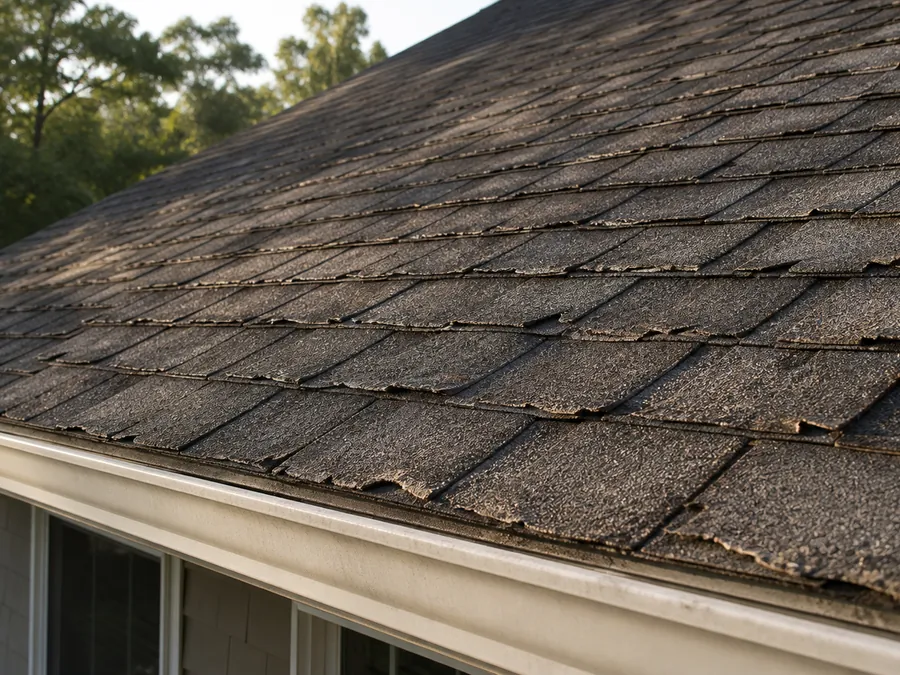
Modern architectural asphalt shingles have improved considerably. Impact-resistant (Class 4) shingles handle hail well and can qualify for insurance discounts in some states. They remain more vulnerable to wind uplift at the edges, and in consistently hot climates they degrade noticeably faster than metal.
"A metal roof in a hail-prone area may cost more upfront but less over 40 years — and your insurer may agree."
3. Climate fit
Northeast and Midwest: Metal handles ice dams better because its smooth surface sheds snow before it refreezes. It's also more tolerant of the freeze-thaw cycles that crack and loosen asphalt over time. If you're in a heavy-snow region, the argument for metal is strong.
South and Sun Belt: Reflective metal roofs can meaningfully cut cooling costs — some studies show 10–25% energy savings in hot climates. Asphalt in these regions needs to be rated for UV resistance, and you'll typically see a shorter lifespan than in cooler areas.
Coastal areas: Aluminum and coated steel resist salt corrosion; untreated Galvalume or standard steel can struggle near the ocean. Asphalt is generally fine in coastal climates but may need more frequent replacement due to humidity and wind exposure.
20–30 year lifespan
Wide contractor availability
Good for most budgets
40–70 year lifespan
Better long-term value
Superior for extreme climates
4. Aesthetics and resale
Asphalt shingles blend naturally with most architectural styles and neighborhood norms. They come in hundreds of colors and profiles, and most buyers don't register them as a differentiator. Metal roofing, particularly standing seam, reads as a premium upgrade — and increasingly, buyers know it. In markets where energy efficiency and durability matter, a metal roof can be a genuine selling point.
That said, some HOAs restrict metal roofing, and certain historic or traditional styles don't suit exposed-fastener metal panels. Always check local rules before deciding.
The bottom line
Choose asphalt if you need to manage upfront cost, plan to sell within 10 years, or live in a moderate climate with no dominant weather threat. Choose metal if you're in for the long term, face serious weather in any season, or want to reduce maintenance calls over the decades you own the home.