Understanding your roof warranty — what it covers and what it does not
Manufacturer warranties and workmanship warranties sound reassuring until you need them. Here's what each actually protects and the conditions that void them.
 By the Roofing Guide editors
Every new roof comes with warranty paperwork — sometimes a thick stack of it. Most homeowners file it away without reading it. Then when something goes wrong ten years later, they discover their warranty doesn't cover what they assumed it did, or that they voided it inadvertently years ago. This guide is the version you should have read at installation.
There are two fundamentally different warranties attached to any new roof installation: the manufacturer's material warranty and the contractor's workmanship warranty. They cover different things, have different durations, and are held by different parties. Understanding both is essential.
1. The manufacturer's material warranty
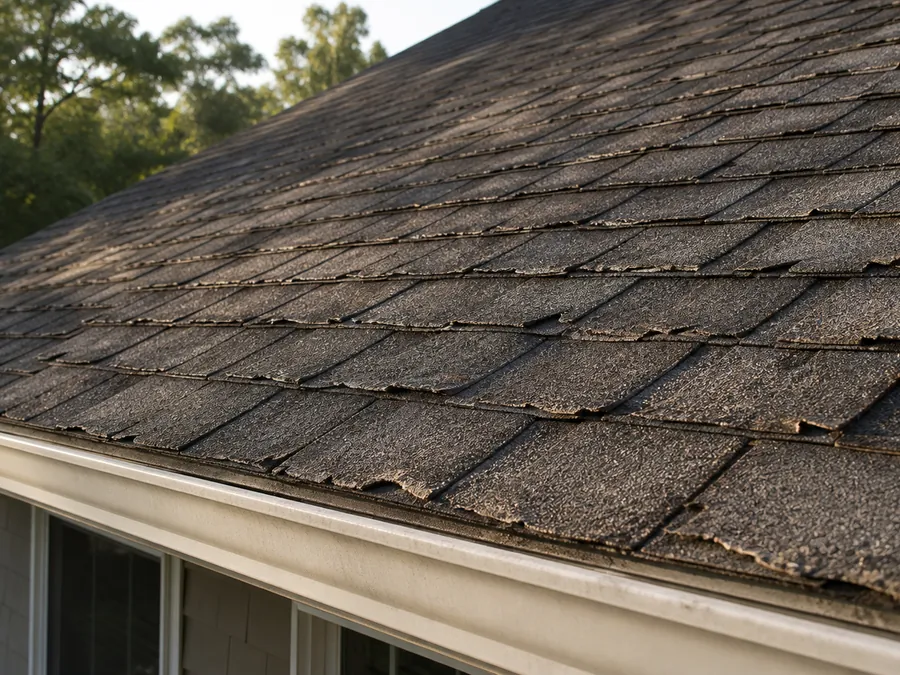
This warranty comes from the shingle or metal panel manufacturer — companies like GAF, Owens Corning, CertainTeed, or TAMKO for asphalt; Drexel Metals or Metal Sales for metal. It covers defects in the material itself: premature granule loss, cracking, algae coverage where warranted, and manufacturing defects that cause the shingles to fail ahead of schedule.
Standard material warranties are prorated: they cover 100% of material replacement cost in the early years, then gradually reduce coverage as the product ages. A 30-year shingle at year 25 may be covered for only 15–20% of material cost. Critically, they typically cover materials only — not labor to remove and reinstall, which is usually the larger cost.
Premium "system" or "preferred" warranties — available only when a certified installer uses the manufacturer's full system of underlayment, starter strips, ridge caps, and accessories — are often non-prorated and may cover labor for a set period (typically 10–25 years). These are substantially more valuable than standard warranties.
2. The contractor's workmanship warranty
This is the contractor's personal guarantee that the installation was done correctly. It covers failure caused by improper installation — a nail driven wrong, flashing cut short, a valley not sealed — rather than failure caused by defective material.
Workmanship warranty terms range enormously: one year is common among smaller contractors, five years is solid, and ten years or more is premium. Some manufacturer-certified installers are required to offer a minimum workmanship warranty as a condition of the certification.
The catch: the warranty is only as good as the contractor who issued it. If the company goes out of business (common in the roofing industry), the warranty goes with them. A manufacturer-backed labor warranty through a certified installer program is meaningfully more durable than a standalone contractor guarantee.
"Most roof leaks in the first ten years are installation errors, not material failures — which is exactly why workmanship coverage matters more than most homeowners realize."
3. What voids a warranty
This is where most homeowners get surprised. Common warranty-voiding conditions include:
- Improper ventilation: Nearly every major shingle manufacturer requires minimum attic ventilation as a condition of coverage. A poorly vented attic that cooks your shingles from below? That's often on you, not them.
- Work done by uncertified contractors: Repairs or modifications made by a contractor who isn't certified to work on your specific material may void the manufacturer warranty entirely.
- Failure to register: Many enhanced warranties require registration within 30–60 days of installation. If the contractor didn't register or you didn't get a certificate, the standard (lesser) warranty may apply instead.
- Walking on the roof: Some warranties are voided by foot traffic that isn't part of a qualifying inspection or repair. Solar panel installations in particular can create warranty complications if not handled carefully.
- Acts of God: Wind, hail, and storm damage are typically excluded from material warranties — that's what homeowner's insurance is for. Wind warranties are usually a separate (and lower) threshold than the main product warranty.
4. How to protect your warranty
Register the warranty promptly — don't wait for the contractor to do it. Confirm registration with a certificate from the manufacturer. Keep all documentation: the original invoice, the warranty documents, and records of any subsequent work done on the roof.
Before any work touches the roof — antenna installation, solar panels, chimney repairs — verify with the manufacturer that it won't affect coverage. Many manufacturers have pre-approved procedures for common penetrations; use them.
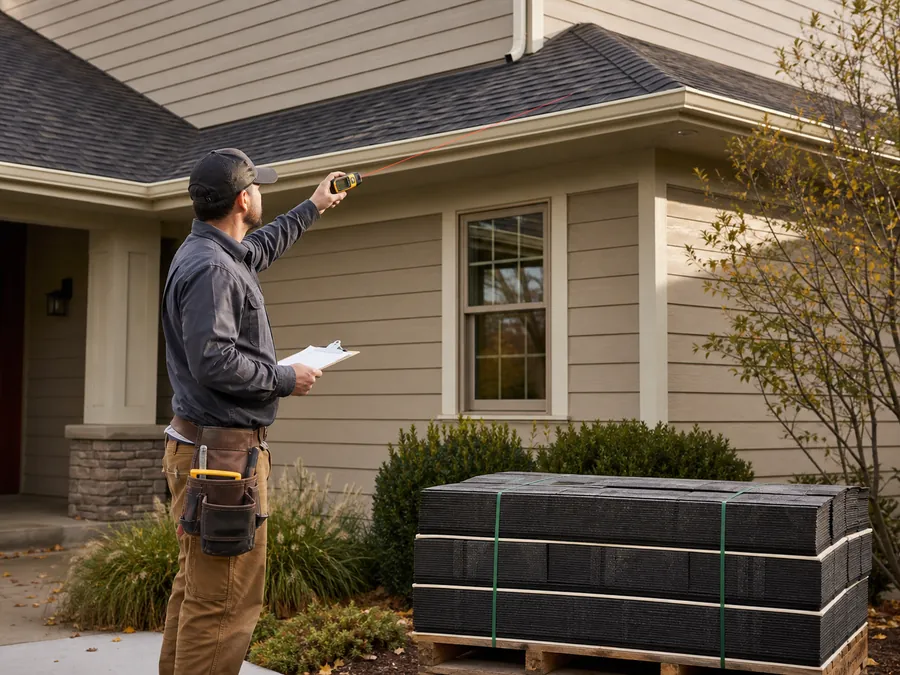
Annual or biannual inspections by a certified contractor are the single best way to catch installation issues while they're still within the workmanship warranty window — and to have documentation that the roof has been properly maintained if a claim arises later.