Know when it's time to replace your roof
Five signs that separate a roof that needs a quick repair from one that's genuinely at the end of its life — and how to tell the difference before a leak forces the decision.
 By the Roofing Guide editors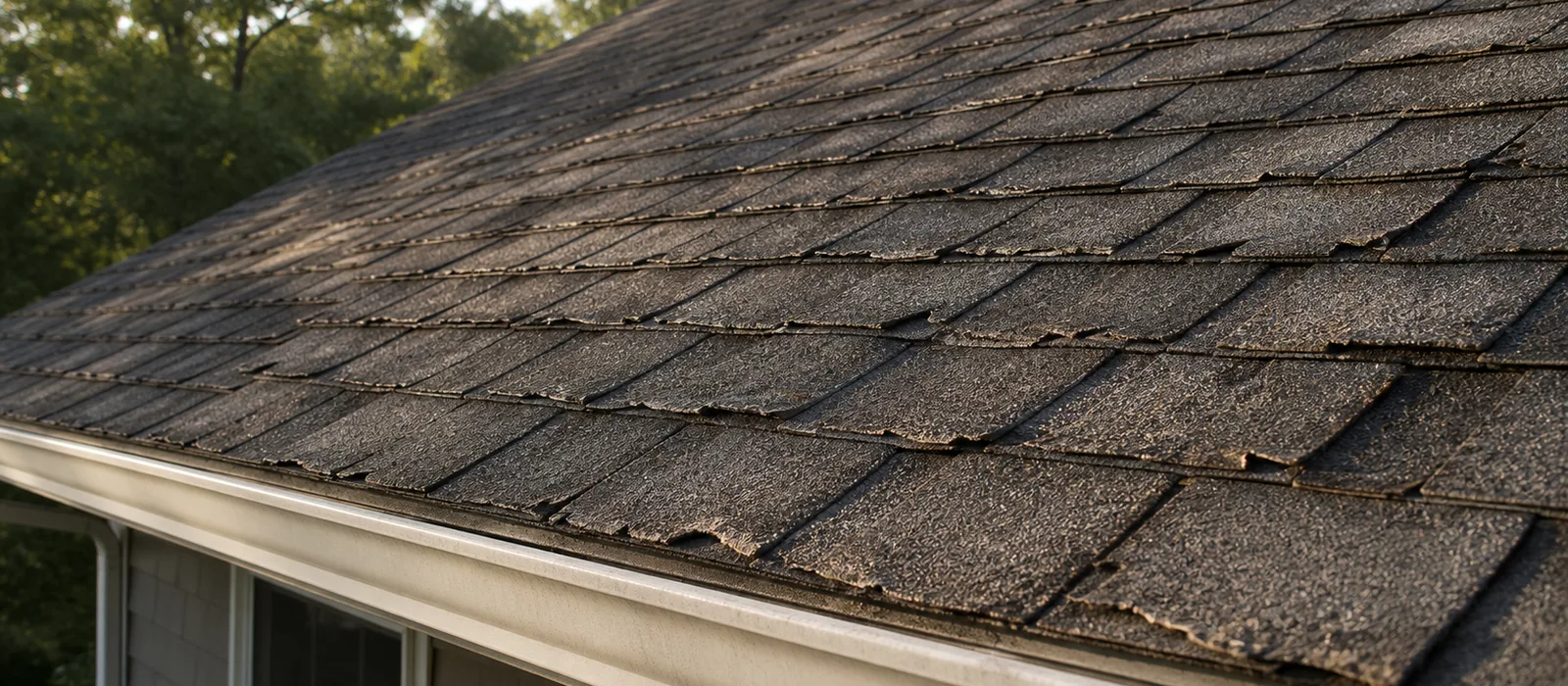
Most roofs don't fail overnight. They give you years of small signals first — you just have to know what to look for.
The single most reliable indicator is age. Standard asphalt shingles last 20 to 25 years; if yours are approaching that and neighbors with similar homes are re-roofing, budget for it now rather than after the first leak.
1. Shingles that curl, crack, or go missing
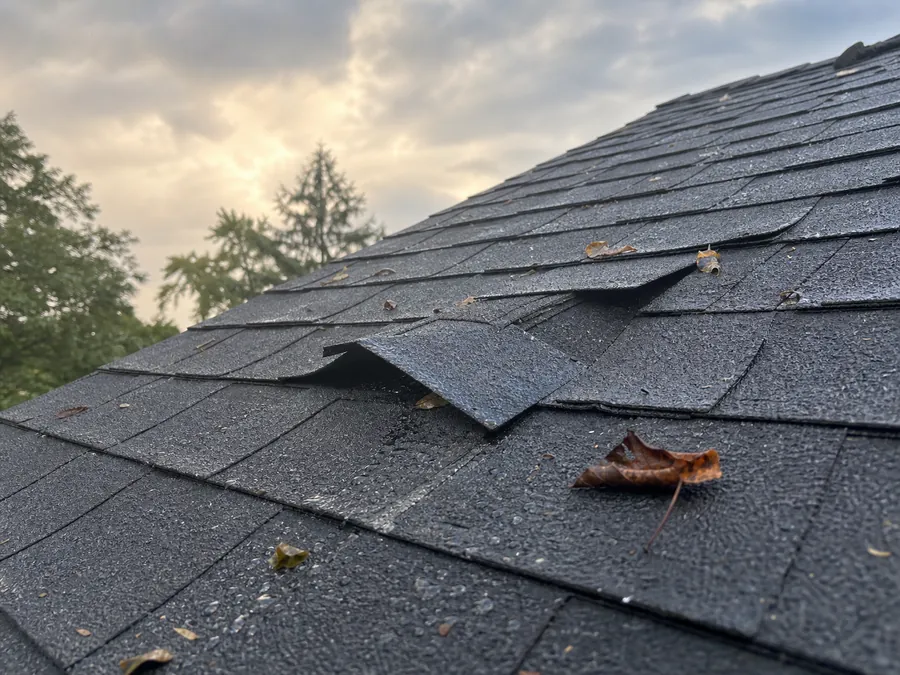
Curling edges and bald patches where the protective granules have worn away are a sign the material can no longer shed water reliably. A few damaged shingles is a repair; widespread curling across the whole slope is a replacement.
"If you can see daylight through the roof boards from your attic, the decision has already been made for you."
2. Granules in the gutters
Finding piles of sand-like granules in your gutters means the shingles are shedding their sun protection. Once that layer is gone, the underlying asphalt degrades quickly under UV exposure.
3. A sagging roofline
A dip or wave in an otherwise straight roofline can point to trapped moisture and weakened decking underneath. This one is worth a professional inspection sooner rather than later — it's a structural issue, not a cosmetic one.
Where you live changes the math
Climate accelerates or slows every one of these signs. A roof in the humid, storm-prone South ages differently than one enduring freeze-thaw cycles in the Northeast — so the right timeline for you depends on your region.