Spotting storm damage before it spreads
What to check after a major storm, which damage can wait and which needs same-week attention, and how to document everything for your insurance claim.
 By the Roofing Guide editors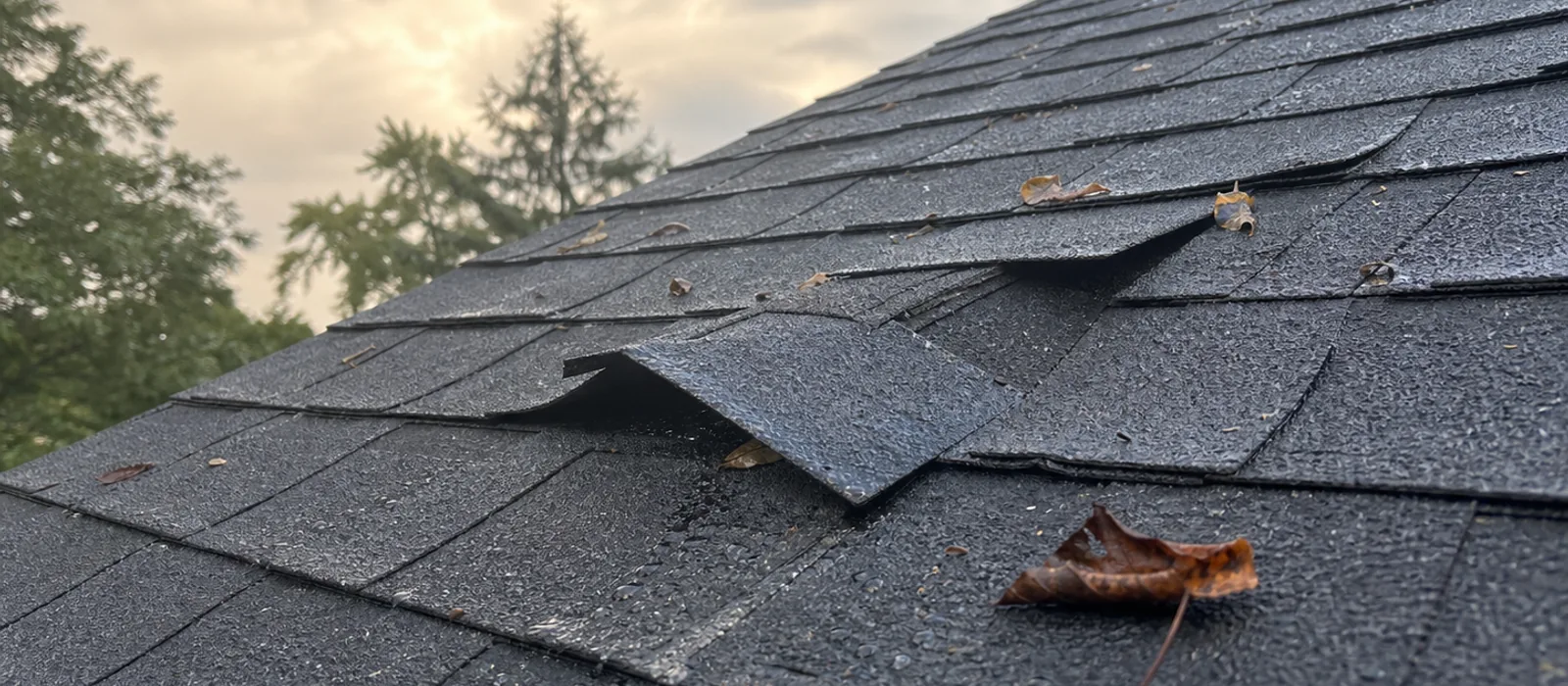
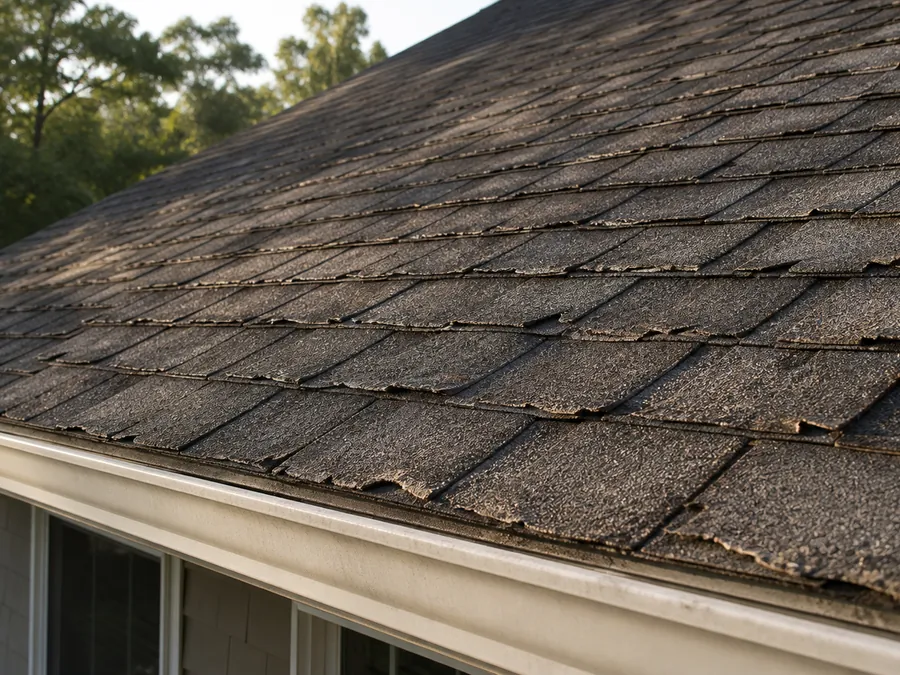
Storm damage is deceptive. The obvious failures — a tree through the roof, a gaping hole — are rare. More commonly, a storm leaves behind a pattern of small insults that look insignificant from the ground but quietly let water in every time it rains. The window to catch and document those before they turn into interior water damage is shorter than most homeowners realize.
Here's how to assess your roof safely and systematically in the 48–72 hours after a major storm.
1. Start from the ground — safely
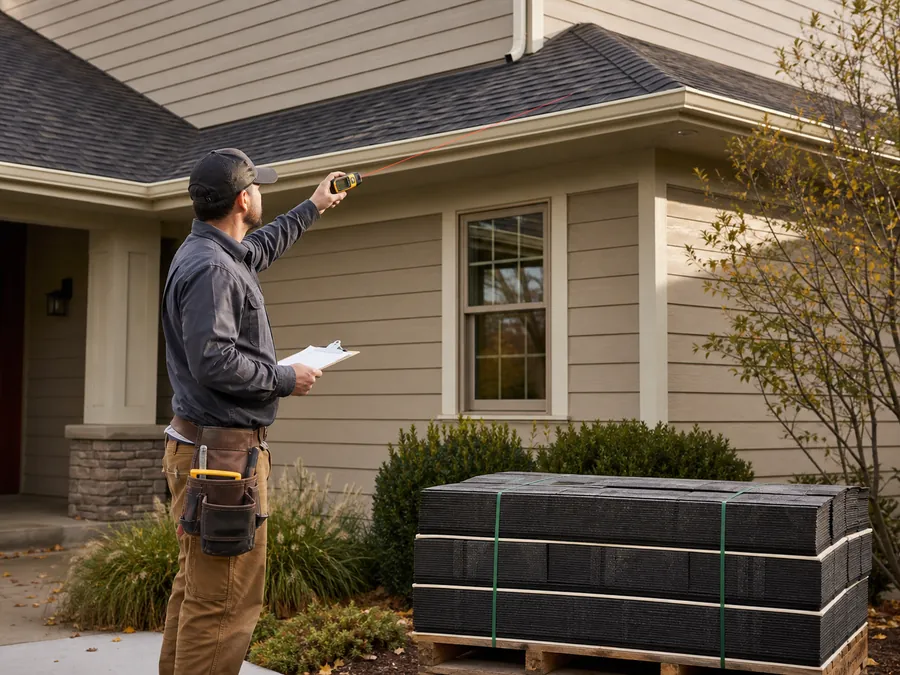
Do not get on the roof immediately after a storm. Wet shingles, downed power lines, and compromised structural sections make post-storm roof walking genuinely dangerous. A pair of binoculars from multiple vantage points on the ground gets you most of what you need for the initial assessment.
From the ground, look for:
- Missing or displaced shingles — bare dark patches or lifted flaps visible from the perimeter
- Dented ridge caps or flashing — hail leaves a distinct pockmark pattern; it often hits the ridge first
- Debris piled in valleys — leaves and branches collect where two roof planes meet; that's also where water concentrates
- Gutters and downspouts — check the gutters for dents (hail indicator) and for accumulations of dark granules washed off the shingles
2. Check the attic before the roof
The safest first interior check is the attic. With a flashlight, look for:
- Daylight — any pinhole or beam of daylight visible through the decking is a breach
- Water stains on rafters or sheathing — fresh stains will be darker and slightly damp to the touch; old stains will be dry and gray
- Wet insulation — compressed or water-darkened insulation batts indicate active or recent intrusion
If you find active water entry in the attic, that's a same-day contractor call — not a "wait and see."
"A hail-damaged roof may look intact for months before the first interior leak appears — by then, the claim window may have closed."
3. What can wait and what can't
Needs attention within 48 hours:
- Active water entry into the attic or interior
- Multiple missing shingles on a slope that gets rain exposure
- Any visible damage to flashing around chimneys or skylights
- Large debris (branches, tree limbs) resting on the roof surface
Can wait 1–2 weeks but still requires documentation:
- Hail impact marks on shingles with no missing granules or cracking
- Granule loss in gutters with no visible shingle damage
- Minor cosmetic dents on metal flashing with no gaps
4. Filing your insurance claim
Call your insurer promptly — most policies have a reporting window, and waiting too long can give the carrier grounds to deny the claim. When the adjuster comes, you're allowed (and encouraged) to have your own contractor present to walk the roof simultaneously. Adjusters are not always thorough, and a contractor familiar with your roofing type may catch damage the adjuster overlooks.
If the adjuster's assessment feels low, you can request a re-inspection or hire a public adjuster to represent you. The insurer's first offer is not always the final number.
Storm and hurricane roofing guidance for homeowners in Lady Lake, Leesburg, Ocala, Summerfield, and Wildwood — Central Florida’s most storm-active communities.
Visit Villages Roofers