Best roofing materials for Midwest homes
Wide temperature swings, hail, and high winds define Midwest weather — a roof here has to take a beating from every direction across the seasons.
 By the Roofing Guide editors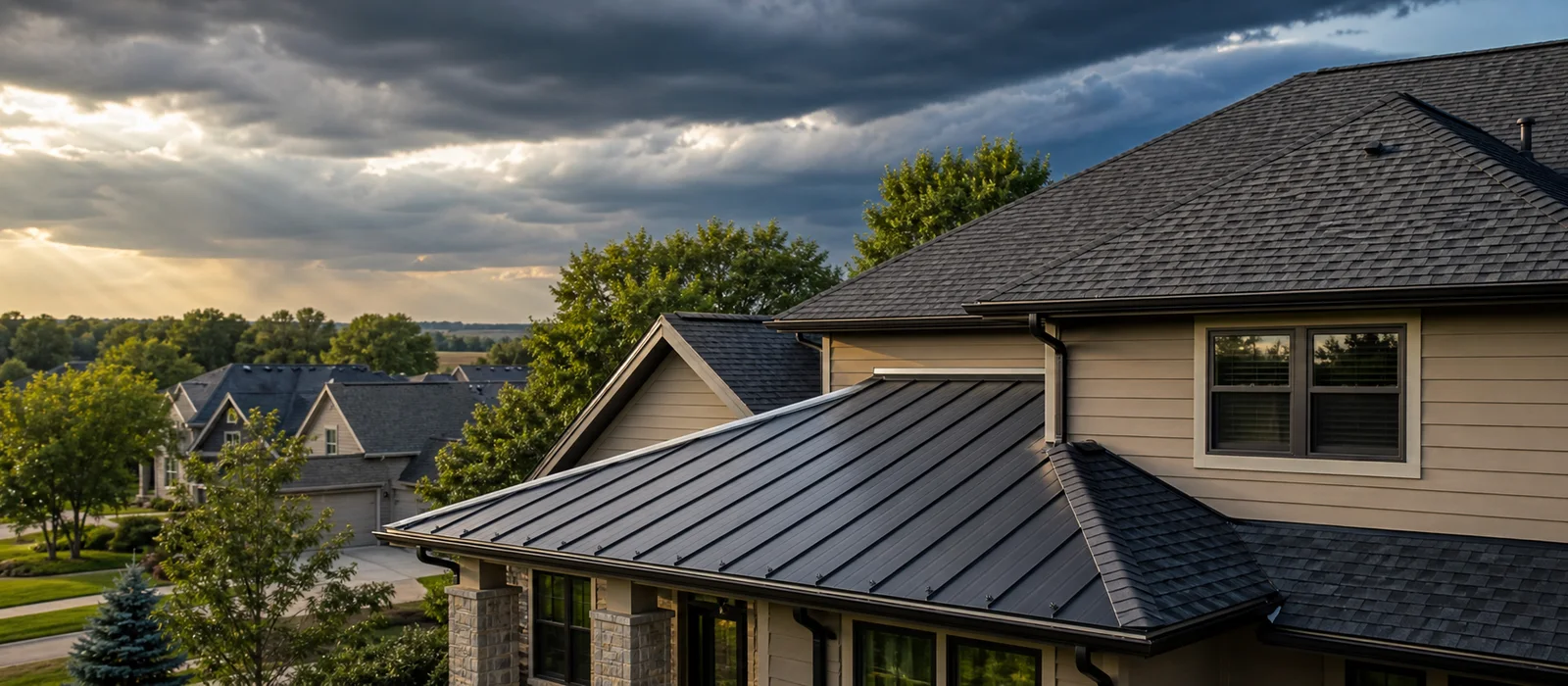
Severe thunderstorms and hail are the defining threat across the plains, and the material that wins here isn't necessarily the prettiest one — it's the one rated to survive a direct hit and keep working.
Impact-rated asphalt shingles
Class 4 impact-rated shingles are the default recommendation for most Midwest homes. They're built with a reinforced mat that resists cracking under hail impact, and many insurers offer a premium discount for installing them — often enough to offset the price difference over a few years.
Metal panels
Standing-seam and other heavier-gauge metal panels handle hail extremely well and are essentially immune to wind uplift when properly fastened. Cosmetic denting can occur with large hail, but it rarely compromises the roof's ability to keep water out — a meaningful difference from shingles that crack.
What to avoid
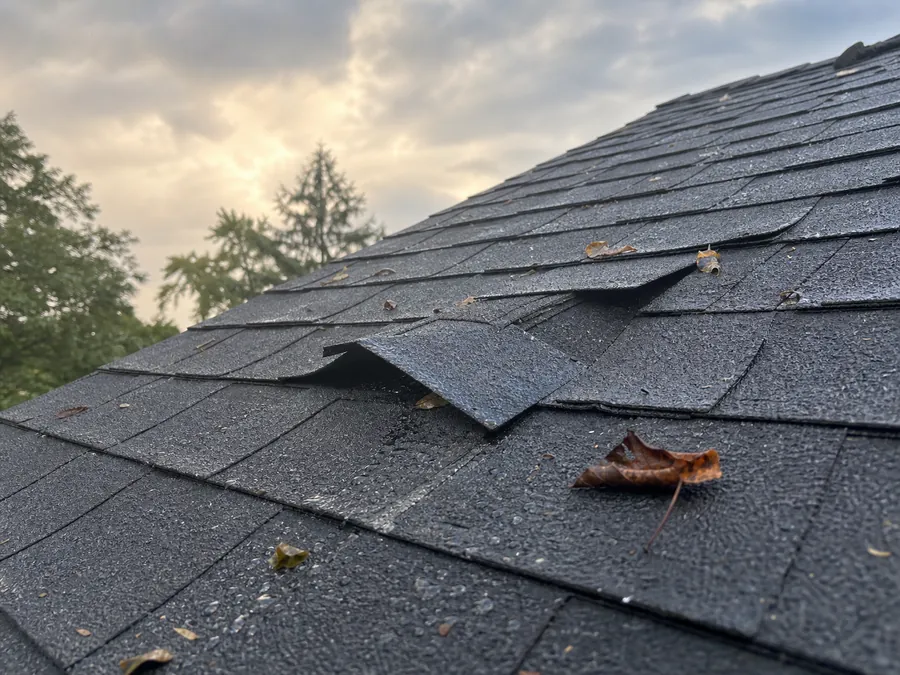
Standard three-tab asphalt shingles are the most common material to fail after a Midwest hailstorm — they lack the reinforced mat of Class 4 products and are the first thing an insurance adjuster flags for replacement. If budget is tight, a Class 4 architectural shingle is worth the upgrade over standard three-tab. Homeowners in Central Indiana can find more local detail on contractor vetting and hail-claim documentation from Indianapolis Roofers.
What to prioritize regardless of material
- Impact rating — look for a UL 2218 Class 4 rating on any asphalt product.
- Fastening for wind — high winds accompany many Midwest storms; confirm the installer follows the manufacturer's high-wind nailing pattern.
- Quality flashing and fasteners — with temperatures swinging hard between seasons, materials expand and contract constantly, and it's the flashing details that fail first, not the field shingles.
In a region where the next major hailstorm is a matter of when, not if, paying for impact resistance up front is usually cheaper than paying for a full replacement after the first bad storm.