Best roofing materials for Southern homes
Intense heat, humidity, hurricanes, and heavy rain make the South a demanding place for a roof — sun and storm work against it all year.
 By the Roofing Guide editors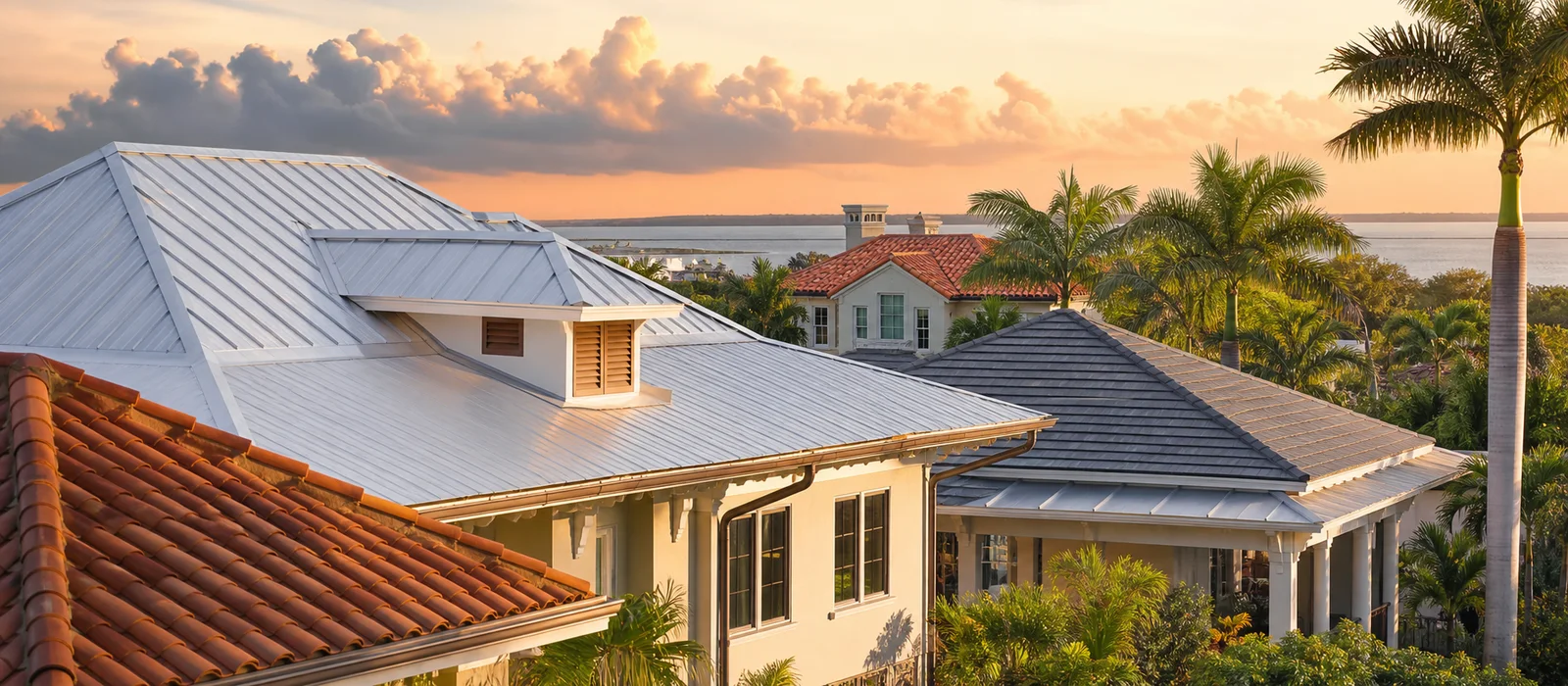
UV exposure and humidity are relentless here, degrading materials faster than in cooler climates and encouraging algae growth on north-facing slopes. In coastal and hurricane-prone areas, wind rating and proper deck attachment aren't optional extras — they're the difference between a roof that stays on and one that doesn't.
Metal
Standing-seam metal is the standout performer in hurricane-prone areas — properly installed panels carry high wind-uplift ratings, and reflective finishes cut attic heat gain substantially, which shows up directly in summer cooling bills. It also won't feed the algae growth that streaks asphalt roofs in humid climates.
Clay tile
Clay tile is a classic Gulf Coast and Florida choice — it handles heat and UV without degrading, resists algae, and can be rated for high wind when properly fastened to the deck. It's heavier and pricier than the alternatives, and a roof deck should be checked for load capacity before committing to it.
Architectural asphalt
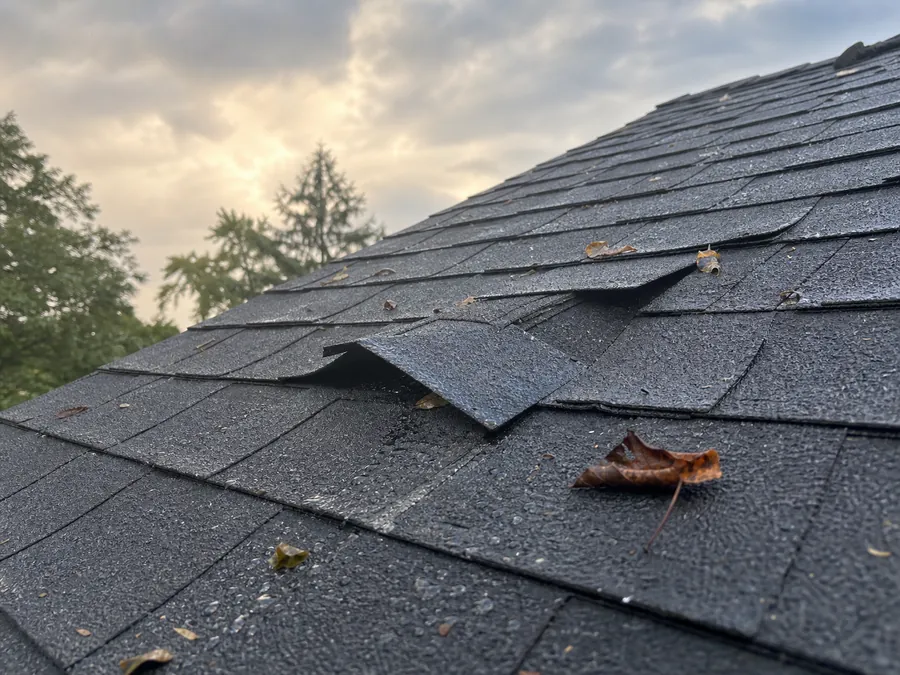
A quality architectural shingle with algae-resistant (AR) granules and a high wind rating is a reasonable middle ground where metal or tile isn't in the budget. Look specifically for a hurricane- or high-wind-rated product and confirm sealed, hand-tabbed installation at the edges — that's where wind failures start. In the Piedmont, where thunderstorm hail and humidity are the bigger concerns, Charlotte Roofers and Greensboro Roofers have more localized guidance on picking a contractor and material.
What to prioritize regardless of material
- Wind rating — confirm the product and installation are rated for local code wind speeds, especially within hurricane zones.
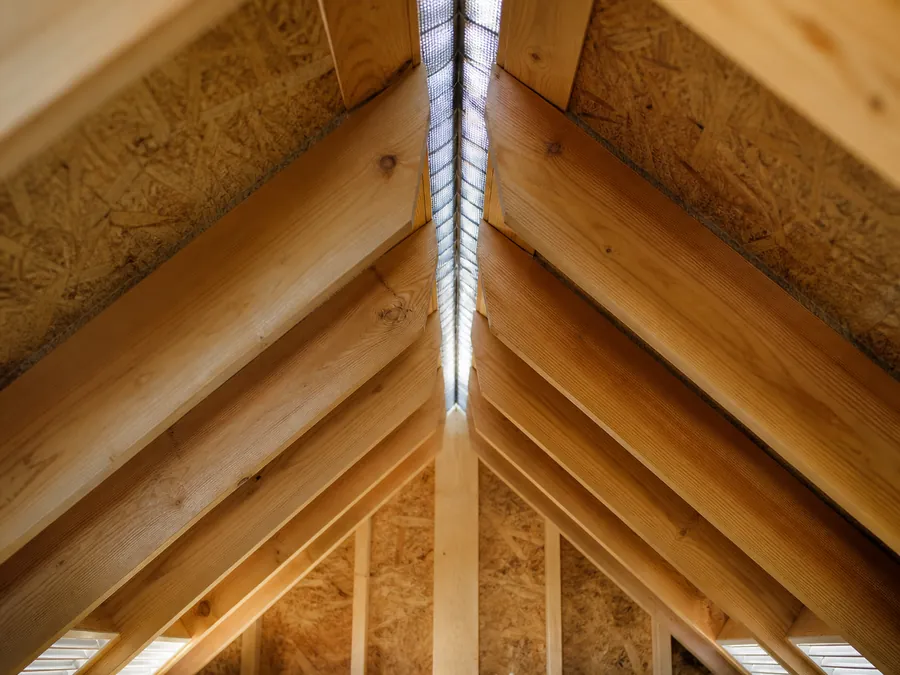
- Deck attachment — the roof deck's connection to the framing matters as much as the roofing material in a major storm.
- Reflectivity — a lighter, reflective surface meaningfully reduces cooling costs across a long, hot season.
The closer a home sits to the coast, the more the decision should be driven by wind rating and deck attachment rather than material alone — even the best shingle fails if the deck underneath it doesn't hold.